What Is the Graston Technique and Why Physical Therapists Use It.
If you’ve ever dealt with stubborn muscle tightness, lingering pain, or stiffness that doesn’t seem to improve with stretching alone, you may have heard about the Graston technique. This hands-on treatment has become increasingly popular in physical therapy clinics because of how effectively it helps restore movement, reduce discomfort, and support long-term recovery.
At Physiopros Performance Rehab in Parsippany, NJ, the Graston technique is one of several manual therapy tools we use to help patients move better and feel stronger. However, it’s not a standalone solution. Instead, it’s used intentionally as part of a complete physical therapy plan that includes movement, strengthening, and education. To understand why physical therapists rely on this technique, it helps to first understand what it is and how it works.
What Is the Graston Technique?
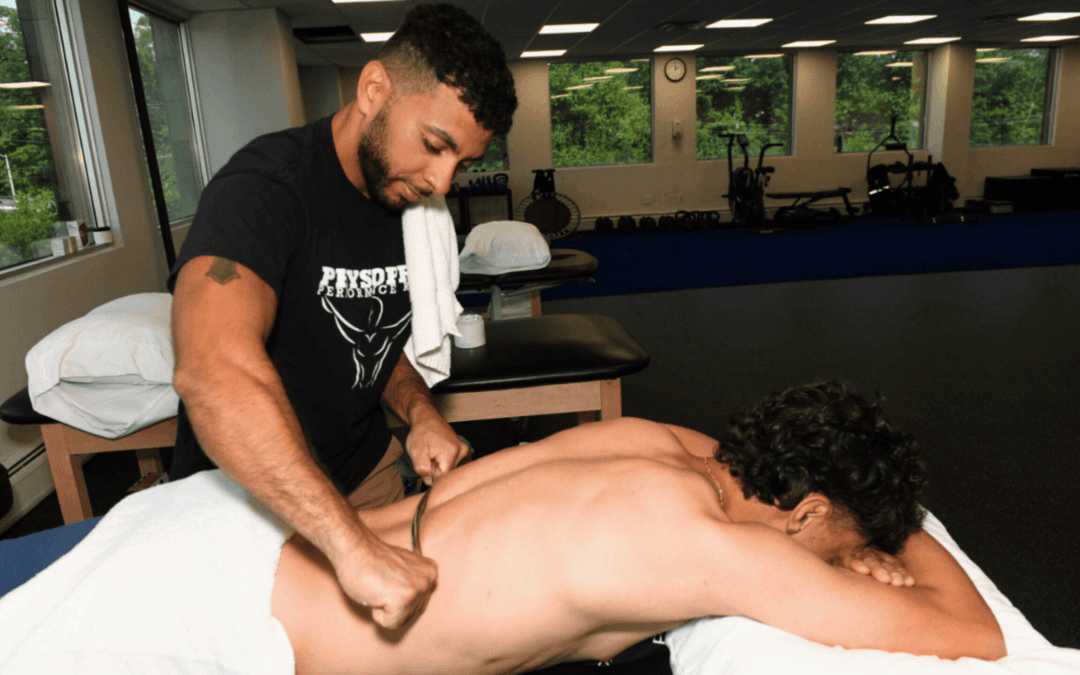
The Graston technique is a form of instrument-assisted soft tissue mobilization (often referred to as IASTM). It uses specially designed stainless-steel tools to gently glide over the skin and underlying tissues. These tools allow physical therapists to identify areas of tightness, restriction, or abnormal tissue texture that may not be as easy to feel with hands alone.
Rather than pressing deeply into the tissue like traditional massage, the Graston technique applies controlled pressure with the instrument. This approach helps stimulate the affected area, increase blood flow, and encourage healthier tissue movement. Over time, this can improve mobility and reduce pain associated with muscle tightness, overuse injuries, or scar tissue.
Importantly, the goal is not to “scrape” or aggressively break tissue down. Instead, the technique is precise, targeted, and adjusted to each person’s tolerance and needs.
How the Graston Technique Works in the Body
When soft tissue becomes irritated or overworked, it can lose its normal ability to glide smoothly. This may happen due to repetitive movements, prolonged sitting, poor mechanics, surgery, or previous injuries. As a result, the tissue becomes stiff, sensitive, and sometimes painful.
The Graston technique works by creating a controlled stimulus to the affected area. This stimulus encourages the body’s natural healing response. As blood flow increases, oxygen and nutrients are delivered more efficiently to the tissue. At the same time, the nervous system receives new input that can help decrease pain sensitivity and improve muscle activation.
Additionally, this process can improve how different layers of tissue move relative to one another. When tissues glide better, movement becomes smoother and less restricted. This is one of the main reasons physical therapists often use the Graston technique before or alongside corrective exercises.
Why Physical Therapists Use the Graston Technique
Physical therapists focus on movement quality, not just pain relief. While reducing discomfort is important, the bigger goal is helping patients move efficiently and confidently again. The Graston technique supports this goal in several key ways.
First, it helps prepare the tissue for movement. By reducing tightness and sensitivity, patients are often able to perform exercises with better form and less discomfort. This allows strengthening and mobility work to be more effective.
Second, it provides valuable feedback to both the therapist and the patient. Areas of restriction often feel different during treatment, which can help guide where additional mobility or strengthening work is needed.
Finally, it supports long-term change when combined with exercise. Manual therapy alone may feel good temporarily, but pairing the Graston technique with targeted movement helps the body maintain improvements between sessions.
Conditions Commonly Treated With the Graston Technique
The Graston technique is versatile and can be helpful for a wide range of conditions. At Physiopros Performance Rehab, it’s commonly used for issues such as:
Chronic muscle tightness in the neck, shoulders, or back
Tendon-related pain, including Achilles, patellar, or elbow tendons
Scar tissue following surgery or injury
Plantar fasciitis and foot pain
Hip tightness and IT band discomfort
Overuse injuries related to lifting, running, or sports
Stiffness from prolonged sitting or repetitive work tasks
That said, the technique is never applied generically. Each session is tailored to the individual’s symptoms, movement patterns, and goals.
What the Graston Technique Feels Like
Many people are understandably curious—or nervous—about how the Graston technique feels. Sensations can vary depending on the area treated and how sensitive the tissue is. Most patients describe it as a firm pressure or a pulling sensation rather than sharp pain.
Some areas may feel more intense than others, especially if there is significant tightness. However, treatment should always be tolerable. Physical therapists adjust pressure, speed, and duration based on patient feedback. Communication during the session is key.
After treatment, it’s common to feel looser or more mobile. Mild soreness can occur, similar to how muscles feel after a workout, but this typically resolves within a day or two.
Is Bruising Normal?
Occasionally, light redness or small marks may appear after treatment. These are not bruises in the traditional sense but rather a result of increased blood flow in the area. They usually fade within a few days.
That said, excessive bruising is not the goal and is not necessary for the technique to be effective. At Physiopros, the Graston technique is applied thoughtfully and conservatively to support recovery, not overwhelm the tissue.
How the Graston Technique Fits Into a Physical Therapy Session
One of the most important things to understand is that the Graston technique works best as part of a comprehensive plan. At Physiopros Performance Rehab, it’s typically used early in a session to help reduce restrictions and improve movement quality.
Afterward, patients move into mobility drills, strengthening exercises, and functional training that reinforce the changes made during manual therapy. This sequence helps ensure that improvements carry over into daily activities, workouts, and sports.
By combining hands-on care with movement-based rehab, patients often see better and longer-lasting results.
Graston Technique vs Massage Therapy
While both approaches involve soft tissue work, they serve different purposes. Massage therapy generally focuses on relaxation and general muscle tension. The Graston technique, on the other hand, is more targeted and movement-focused.
Physical therapists use the Graston technique to address specific restrictions that affect how joints and muscles function. It’s not about relaxation alone; it’s about improving movement efficiency and reducing pain during activity.
For many patients, the two approaches can complement each other. However, within physical therapy, the Graston technique is chosen specifically to support rehab goals.
Who Benefits Most From the Graston Technique?
The Graston technique can benefit a wide range of people, including:
Active adults who feel stiff or limited during workouts
Athletes dealing with overuse injuries
Desk workers with chronic neck or upper back tightness
Individuals recovering from surgery
People with recurring pain that hasn’t responded well to stretching alone
That said, it’s not appropriate for everyone. Certain medical conditions, skin issues, or sensitivities may require alternative approaches. A proper evaluation helps determine whether it’s the right fit.
Why the Graston Technique Works Best With Exercise
Manual therapy can create change, but movement helps maintain it. That’s why physical therapists emphasize combining the Graston technique with strengthening and mobility exercises.
Once tissue moves better, the body needs to learn how to use that new range of motion. Strength training, balance work, and functional movement retraining help lock in progress and reduce the chance of symptoms returning.
This approach also empowers patients. Instead of relying solely on passive treatment, they learn how to support their own recovery.
What to Expect at Physiopros Performance Rehab
At Physiopros Performance Rehab in Parsippany, NJ, the Graston technique is one tool within a larger treatment philosophy. Sessions focus on identifying the root cause of symptoms and building a plan that fits each patient’s lifestyle and goals.
Treatment may include a combination of:
The Graston technique and other manual therapies
Mobility and flexibility work
Strength and stability exercises
Movement retraining for daily activities or sports
Education on posture, workload, and recovery
This integrated approach helps patients feel better now while also reducing the risk of future issues.
Is the Graston Technique Right for You?
If you’re dealing with persistent tightness, pain, or movement limitations, the Graston technique may be a helpful part of your physical therapy plan. The best way to know is through a professional evaluation that looks at how you move, not just where it hurts.
At Physiopros Performance Rehab, we take the time to explain your options and create a plan that supports lasting results. Whether your goal is pain relief, better performance, or simply moving more comfortably through your day, we’re here to help.
Book a session at Physiopros Performance Rehab in Parsippany, NJ
📍3799 US-46, Suite 110, Parsippany, NJ 07054
Also, make sure to follow us on social media:
Instagram: https://www.instagram.com/physioprospt/?hl=en
Facebook: https://www.facebook.com/physioprospt0
TikTok: https://www.tiktok.com/@physioprospt?_t=8lfj7ogbgam&_r=1.