How Traction Therapy Fits Into a Physical Therapy Plan
If you’ve been dealing with stiffness, restricted movement, muscle tightness, or that “compressed” feeling in your body, you may have come across traction therapy while looking for ways to feel better.
Maybe you’ve tried stretching. Maybe you’ve booked a massage. Maybe you’ve used heat, ice, foam rolling, or mobility drills. Sometimes those things help for a little while, but then the same tightness returns.
That’s where traction therapy may fit in.
At Physiopros Performance Rehab in Parsippany, NJ, we look at traction therapy as one possible tool inside a bigger physical therapy plan. It may help improve comfort, reduce tension, and create a better starting point for movement. However, it works best when it’s paired with strengthening, mobility work, manual therapy, and movement retraining.
In other words, traction can help create a window for better movement. Your rehab plan helps make that movement last.
What Is Traction Therapy?
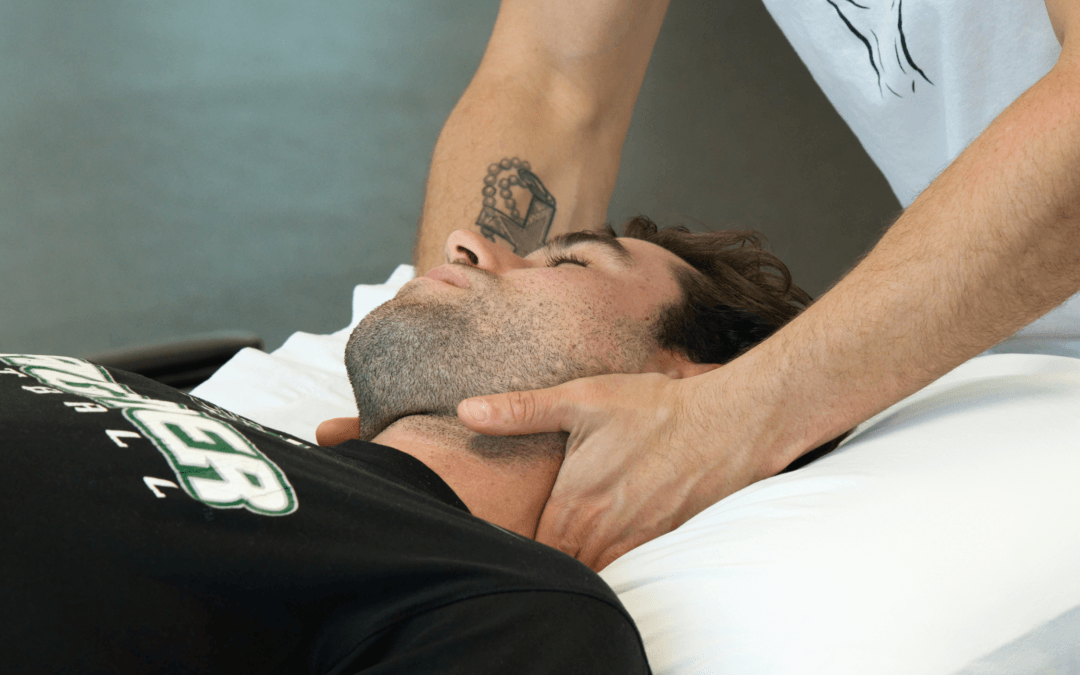
Traction therapy is a physical therapy technique that uses a gentle pulling force to create space, reduce tension, and help the body move more comfortably.
Depending on your needs, a physical therapist may use traction for different areas of the body—not just the spine. It may be applied manually with the therapist’s hands or with specific equipment designed to create a controlled, comfortable pull.
The goal is not to force a joint or muscle into a position. Instead, the goal is to create a gentle unloading effect that may help reduce restriction and improve how the body responds to movement.
Many patients describe traction as a light stretch, a decompression feeling, or a sense of relief. It should feel controlled and tolerable—not sharp, aggressive, or scary.
Traction Therapy Is a Tool, Not the Whole Plan
This is the most important thing to understand.
Traction therapy is a treatment tool. Physical therapy is the full plan.
That difference matters because tightness, stiffness, and movement limitations usually have more than one cause. Sometimes the issue is limited mobility. Other times, it’s weakness, poor movement control, overuse, muscle guarding, or a combination of several factors.
A complete physical therapy plan may include:
- A full evaluation
- Movement assessment
- Strength testing
- Range-of-motion testing
- Manual therapy
- Mobility work
- Strength training
- Posture and load management education
- A home exercise program
- Return-to-activity progressions
So while traction may help, it should not be the only thing happening in your care.
At Physiopros Performance Rehab, we use traction only when it fits the person and the goal. If it helps you move better during the session, we use that improvement to build strength, control, and confidence.
How Traction Therapy May Help
Traction therapy may help by reducing tension and creating a temporary decrease in pressure around a joint or soft tissue area. For some people, this can improve comfort and make movement feel smoother.
It may be useful when someone feels:
- Stiffness that limits range of motion
- Muscle guarding
- Joint tightness
- Restricted movement
- A compressed or “stuck” sensation
- Difficulty relaxing into mobility work
- Discomfort that improves with gentle unloading
However, traction is not automatically the answer for everyone. Two people can describe similar stiffness but need completely different plans. One may benefit from traction early on, while another may need strengthening, mobility drills, soft tissue work, or better movement mechanics.
That’s why an evaluation matters.
Why Traction Works Best With Movement
Traction can create a helpful reset, but movement helps make the change last.
For example, if traction helps an area feel less restricted, your therapist may follow it with mobility drills to use the new range of motion. Then, strengthening exercises may help your body control that range.
This sequence matters because passive relief alone often fades. Active movement helps reinforce the improvement.
A session may look like this:
- Use traction to reduce guarding or stiffness
- Reassess movement
- Add mobility exercises
- Build strength in the new range
- Practice a real-life movement pattern
In other words, traction may open the door, but movement helps you walk through it.
When Traction Therapy May Be Used
Traction therapy may be used when gentle unloading improves how the body feels or moves.
This may include situations involving:
- Joint stiffness
- Muscle guarding
- Mobility restrictions
- Postural tension
- Recovery after repetitive activity
- Difficulty tolerating certain positions
- Movement limitations that improve with gentle support
Still, symptoms alone do not determine whether traction is the right tool. Your physical therapist needs to understand how your body responds.
For example:
- Does the area feel better with gentle unloading?
- Does range of motion improve afterward?
- Does movement feel smoother?
- Does strength or control improve after symptoms calm down?
- Does the relief carry over into exercise?
These details help determine whether traction belongs in your plan.
When Traction May Not Be the Main Answer
Although traction can be helpful, it is not always the best choice.
Sometimes stiffness or discomfort is driven more by:
- Weakness
- Poor movement control
- Limited strength endurance
- Training errors
- Repetitive stress
- Poor recovery
- Mobility restrictions in a different area
In those cases, traction may feel good temporarily but fail to create lasting change on its own.
For example, if your hip feels tight because your glutes are underactive, traction may reduce the tight sensation for a moment. However, strengthening and movement retraining will likely matter more long term. Similarly, if your shoulder feels restricted because your upper back is stiff or your shoulder blade control is limited, traction alone will not solve the full issue.
At Physiopros, we don’t choose treatments based on trends. We choose them based on what your body needs.
Common Myths About Traction Therapy
Myth 1: Traction fixes everything
Traction can help some people feel better, but it is not a universal fix. It works best when it matches the problem and supports a larger plan.
Myth 2: If traction feels good, it’s all you need
Feeling better is important, but it’s only the first step. If traction improves comfort, your therapist should use that improvement to help you move, strengthen, and build control.
Myth 3: More traction is always better
More force does not always mean better results. Traction should be comfortable, specific, and adjusted based on how your body responds.
Myth 4: Traction replaces exercise
Traction does not replace exercise. It may help prepare your body for exercise, but strengthening and mobility work usually create the longer-lasting changes.
How Traction Fits Into a Physical Therapy Session
At Physiopros Performance Rehab, traction is used strategically—not randomly.
A session may include several parts.
Evaluation First:
Before using traction, your physical therapist assesses your symptoms, movement, strength, mobility, and goals. This helps determine whether traction is appropriate.
Symptom Relief:
If traction is included, it may help decrease guarding, reduce tension, or make movement more comfortable.
Manual Therapy:
Your therapist may also use hands-on techniques such as joint mobilization, soft tissue mobilization, myofascial release, or assisted stretching.
Mobility Work:
Once movement feels easier, mobility exercises help you actively use the improved range.
Strength Training:
Strength work helps your body support the area more effectively and tolerate more activity.
Movement Retraining:
Finally, your therapist connects the work back to real life. That may mean improving how you squat, lift, reach, walk, run, or train.
This full approach matters because lasting change rarely comes from one tool alone.
What to Expect During Traction Therapy
If traction is appropriate for you, your therapist will explain the setup before starting.
During treatment, you may feel a gentle pulling, stretching, or unloading sensation. It should feel controlled and comfortable. If it feels sharp, intense, or unpleasant, your therapist can adjust the approach.
Your therapist may adjust:
- Position
- Force
- Duration
- Angle
- Frequency
- Manual or equipment-based setup
Afterward, your therapist will reassess how you feel and how you move. If your mobility improves, your plan may progress into active exercises right away. If traction does not help, your therapist may choose a different strategy.
Either way, your response guides the plan.
Why Active Adults Often Need More Than Passive Relief
Many active adults want to stay strong, independent, and capable. They don’t want temporary relief that disappears the next day. They want to return to workouts, sports, work, hobbies, and daily life with confidence.
That’s why traction can be helpful—but incomplete—when used alone.
If you lift weights, run, golf, play pickleball, work at a desk, or spend long days on your feet, your body needs capacity. Capacity means your muscles, joints, and nervous system can handle the demands of your life.
Traction may reduce irritation or restriction, but strength and movement build capacity.
That’s why we focus on both.
How Physical Therapy Helps Maintain Results
Long-term improvement comes from teaching your body how to move better after symptoms calm down.
Physical therapy helps you maintain results by improving:
- Strength
- Mobility
- Joint control
- Movement patterns
- Balance
- Load tolerance
- Confidence with activity
For example, if traction helps you feel looser but you don’t build strength in that new range, the tightness may return. However, when mobility work and strengthening follow traction, your body learns how to use the change more effectively.
That is what helps results last.
Practical Tips If You’re Considering Traction Therapy
Before trying traction, keep these points in mind:
Get evaluated first:
Do not assume traction is right for your symptoms just because it sounds helpful. A proper assessment helps determine whether it fits your case.
Avoid chasing quick fixes:
Short-term relief is useful, but your long-term plan should include movement, strength, and education.
Pay attention to your response:
If traction helps, your therapist can use that improvement to progress your rehab. If it does not help, your plan should change.
Do not ignore daily habits:
Training volume, work posture, recovery, stress, and sleep all affect how your body feels and moves.
Stay consistent with your home program:
The work you do outside the clinic helps reinforce the progress you make during sessions.
When Should You See a Physical Therapist?
Consider scheduling an evaluation if you notice:
- Stiffness that keeps returning
- Limited mobility despite stretching
- Discomfort that affects workouts or daily life
- A “stuck” or compressed feeling during movement
- One side moving differently than the other
- Difficulty returning to activity after rest
- Repeated tightness in the same area
- Uncertainty about which exercises are right for you
If you’re in Parsippany, Morris County, Northern NJ, or nearby areas, getting assessed early can help you stop guessing and start making a clearer plan.
Why Physiopros Uses a Movement-Based Approach
At Physiopros Performance Rehab, we believe physical therapy should do more than temporarily reduce discomfort. It should help you understand your body, move with confidence, and return to the activities that matter to you.
That’s why our approach includes personalized care, hands-on treatment, exercise, education, and goal-specific progressions.
Traction may be part of that plan. So may joint mobilization, soft tissue mobilization, dry needling, cupping, IASTM, strengthening, mobility work, or sport-specific training.
But the real difference is not the tool.
The real difference is how the tool is used.
A treatment works best when it fits into a plan built around you.
Frequently Asked Questions About Traction Therapy
Does traction therapy hurt?
Traction should not hurt. You may feel a gentle pulling or stretching sensation, but it should feel controlled and tolerable.
Is traction therapy only used for the spine?
Traction is commonly associated with the spine, but gentle unloading principles can also be used in other areas depending on the treatment goal.
Can traction improve mobility?
It may help some people move more comfortably, especially when stiffness or guarding limits motion. However, mobility exercises are usually needed to reinforce the change.
How many sessions will I need?
That depends on your condition, goals, and how your body responds. Some people notice changes quickly, while others need a longer plan.
Is traction enough by itself?
Usually, no. Traction may help reduce stiffness or discomfort, but lasting results typically require exercise, mobility work, strength training, and education.
Final Thoughts
Traction therapy can be a valuable part of physical therapy, but it is not the whole story.
When used appropriately, it may help reduce tension, improve comfort, and make movement feel easier. However, real progress happens when that relief is followed by targeted strengthening, mobility work, movement retraining, and a plan that matches your life.
At Physiopros Performance Rehab in Parsippany, NJ, we don’t use traction as a one-size-fits-all solution. Instead, we evaluate first, choose the right tools, and build a personalized plan around your goals.
If traction fits your situation, we’ll use it. If it doesn’t, we’ll guide you toward what your body actually needs.
Either way, you won’t be guessing.
Ready to Find Out What Your Body Needs?
If you’re dealing with stiffness, recurring tightness, limited mobility, or movement restrictions that keep coming back, we’re here to help.
Book a session at Physiopros Performance Rehab in Parsippany, NJ.
Call Physiopros Performance Rehab at (973) 265-8621 or request an appointment by clicking here.
Also, make sure to follow us on social media:
Instagram: https://www.instagram.com/physioprospt/?hl=en
Facebook: https://www.facebook.com/physioprospt0
TikTok: https://www.tiktok.com/@physioprospt?_t=8lfj7ogbgam&_r=1.