Dry Needling for Neck Pain: Is It Worth Trying?
Your neck feels tight again.
You stretch it. You roll your shoulders. You change your desk setup. Maybe you massage the knot near your upper trap until your arm gets tired.
A few hours later, the tension is back.
When neck pain keeps returning, it makes sense to look for another option. One treatment you may have heard about is dry needling.
So, is dry needling for neck pain actually worth trying?
For some people, it may be a useful part of treatment—particularly when muscle tenderness or trigger points are contributing to the problem. However, dry needling is not a guaranteed solution, and the current evidence is mixed. The strongest approach is usually not “needle the tight muscle and hope.” Instead, dry needling should be considered within a broader plan that addresses movement, strength, workload, and the reasons your neck keeps getting irritated.
At Physiopros Performance Rehab in Parsippany, NJ, that bigger-picture approach is important. Dry needling is one of the services available, but it can be paired with mobility, strengthening, manual therapy, and other physical therapy strategies based on the individual.
First: What Is Dry Needling?
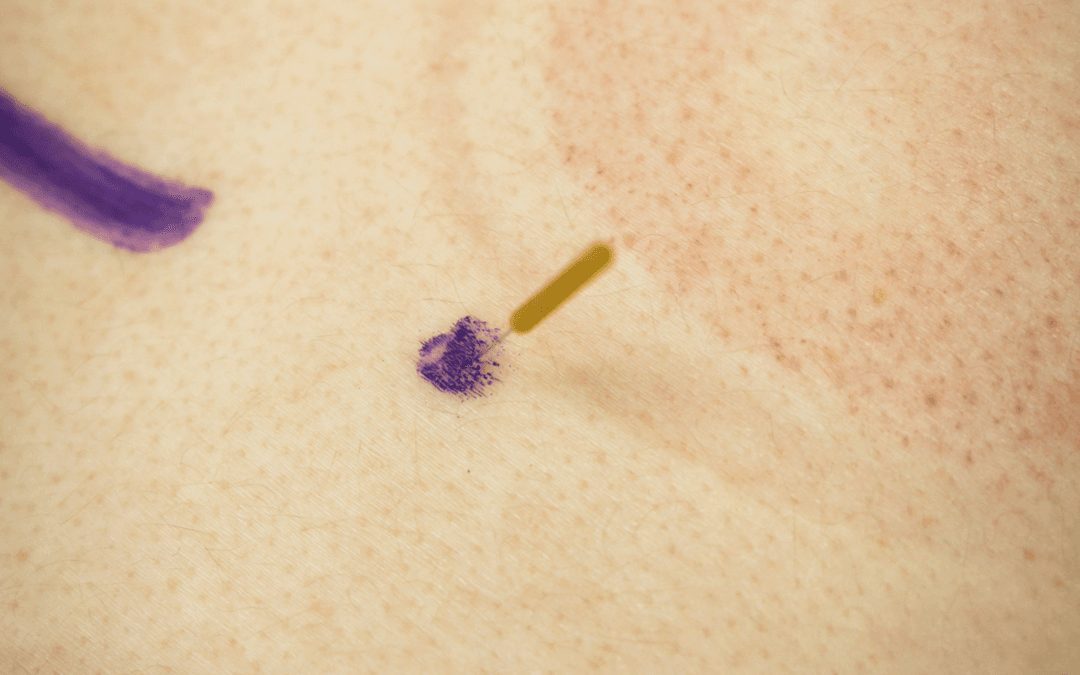
Dry needling uses a thin, sterile needle that is inserted into targeted muscle or soft tissue.
Physical therapists commonly use the technique around sensitive areas sometimes referred to as myofascial trigger points.
Unlike an injection, there is no medication inside the needle. The word “dry” refers to that lack of injected substance.
Dry needling is also different from acupuncture. Although both involve thin needles, they come from different clinical frameworks and use different approaches to assessment and treatment.
At Physiopros, dry needling is offered for issues that may include muscle tightness, trigger points, headaches, chronic pain, and other musculoskeletal complaints.
For more information on dry needling, click here: https://physioprospt.com/what-is-dry-needling-a-comprehensive-guide-for-beginners/
Why Neck Muscles Can Feel Constantly Tight
The sore muscle is not always the entire problem.
Think about a desk worker who spends eight hours looking between two monitors. Their neck may tolerate that position well for the first hour. By the end of the workday, however, the upper traps and muscles around the shoulder blades may feel exhausted.
Now consider a lifter.
Heavy pulling, pressing, carrying, or shrugging can leave the neck and shoulder region irritated when training volume exceeds what the muscles currently tolerate.
Other people may notice symptoms after:
- Long drives
- Sleeping in an uncomfortable position
- Repeated overhead work
- Returning to the gym after time off
- Increased stress
- Previous neck injury
- Changes in training volume
The muscles may become sensitive and guarded, but simply loosening them does not necessarily address why they became overloaded.
That is one reason dry needling should be viewed as a tool, not an entire rehab plan.
When Dry Needling May Be Worth Considering
Dry needling may make sense when muscle pain or guarding is making it difficult to progress your rehabilitation.
For example, you may have:
- Persistent upper-trap tightness
- Tender muscular trigger points
- Neck discomfort associated with desk work
- Muscle guarding after training
- Restricted movement that improves when the muscles relax
- A treatment plan that already includes exercise and movement work
In those situations, reducing symptoms temporarily may create an opportunity to move more comfortably.
Then the important part happens: you use that opportunity.
That might mean restoring comfortable neck rotation, training the shoulder-blade muscles, improving upper-back mobility, adjusting your workstation, or gradually rebuilding tolerance for lifting.
When Dry Needling Probably Should Not Be the Main Strategy
If every session looks like this—
Needle the neck. Feel looser. Go home. Repeat next week.
—something may be missing.
If your symptoms are related to poor tolerance for prolonged sitting, the neck needs more than temporary relaxation.
If overhead lifting constantly creates symptoms, you may need to address shoulder strength, upper-back movement, technique, or training volume.
If you have cervical radiculopathy, which involves nerve-root irritation and may cause pain, tingling, numbness, or weakness into the arm, the evaluation needs to go beyond muscle trigger points.
Physiopros treats neck conditions including cervical muscle strain, cervicalgia, disc-related conditions, and cervical radiculopathy, so determining what type of neck problem you have is an important first step.
What Does Dry Needling Feel Like?
The experience varies.
During treatment, you may feel:
- A quick pinch
- A deep ache
- Pressure
- A brief muscle twitch
- Temporary soreness afterward
Some people barely notice the needle. Others find certain areas more sensitive.
Mild post-treatment soreness or bruising can occur. Because needling near the neck and upper chest involves important anatomical structures, provider training and appropriate technique matter.
Dry needling should only be performed after appropriate screening and informed consent.
For more information on what dry needling feels like, make sure to check out the following blog post: https://physioprospt.com/does-dry-needling-hurt-these-are-the-sensations-you-may-feel/
What Happens After the Needles Come Out?
This is arguably the most important part.
At Physiopros, dry needling can be integrated into a broader physical therapy program rather than treated as a stand-alone solution. The clinic’s approach includes movement assessment, mobility, strengthening, and other treatment options according to the patient’s needs.
For neck pain, that may mean working on:
Neck and Upper-Back Mobility
If certain movements are limited, your therapist may work on restoring a comfortable range rather than repeatedly forcing the painful direction.
Shoulder-Blade Strength
The muscles around the shoulder blades can help support the upper body during desk work, lifting, carrying, and overhead activity.
Strength and Endurance
Sometimes the “tight” muscle is also a tired muscle.
Building capacity may help your neck tolerate work and training longer before symptoms appear.
Workstation and Activity Changes
If your symptoms appear every afternoon at your desk, treatment should address what happens during those eight hours—not just what happens during the PT appointment.
Could Ultrasound-Guided Dry Needling Be Relevant?
Physiopros also offers ultrasound-guided dry needling, which allows the clinician to visualize targeted tissue in real time during certain treatments. The service is designed for selected muscle, tendon, and soft-tissue concerns when additional visualization may be useful.
Want to learn more on ultrasound guided dry needling? Click here: https://physioprospt.com/ultrasound-guided-dry-needling-whats-different/
Not every neck-pain patient needs ultrasound guidance, and not every person with neck pain needs dry needling at all.
The treatment should match the problem.
When Neck Pain Needs More Than Dry Needling
Get evaluated if your symptoms continue to return, significantly limit movement, or interfere with work, sleep, or exercise.
You should also seek timely medical care for symptoms such as progressive arm weakness, significant numbness, major trauma, problems with walking or balance, unexplained fever, or other unusual neurological changes.
Those symptoms require more than treating a tight muscle.
So, Is Dry Needling for Neck Pain Worth Trying?
Potentially.
If muscle tenderness, trigger points, or guarding are part of your neck pain, dry needling may help reduce symptoms in the short term. However, current research does not support treating it as a magic fix or a replacement for progressive exercise and individualized physical therapy.
A better question is:
“Will dry needling help me make progress with the rest of my plan?”
At Physiopros Performance Rehab in Parsippany, NJ, we use treatment options based on your symptoms, movement, and goals. Patients work closely with a licensed physical therapist, with a trained aide assisting as needed.
If recurring neck pain or muscle tightness keeps affecting your work, workouts, or daily life, schedule an evaluation to find out what approach makes sense for you.
Call Physiopros Performance Rehab at (973) 265-8621 or request an appointment by clicking here.
Also, make sure to follow us on social media:
Instagram: https://www.instagram.com/physioprospt/?hl=en
Facebook: https://www.facebook.com/physioprospt0
TikTok: https://www.tiktok.com/@physioprospt?_t=8lfj7ogbgam&_r=1.